
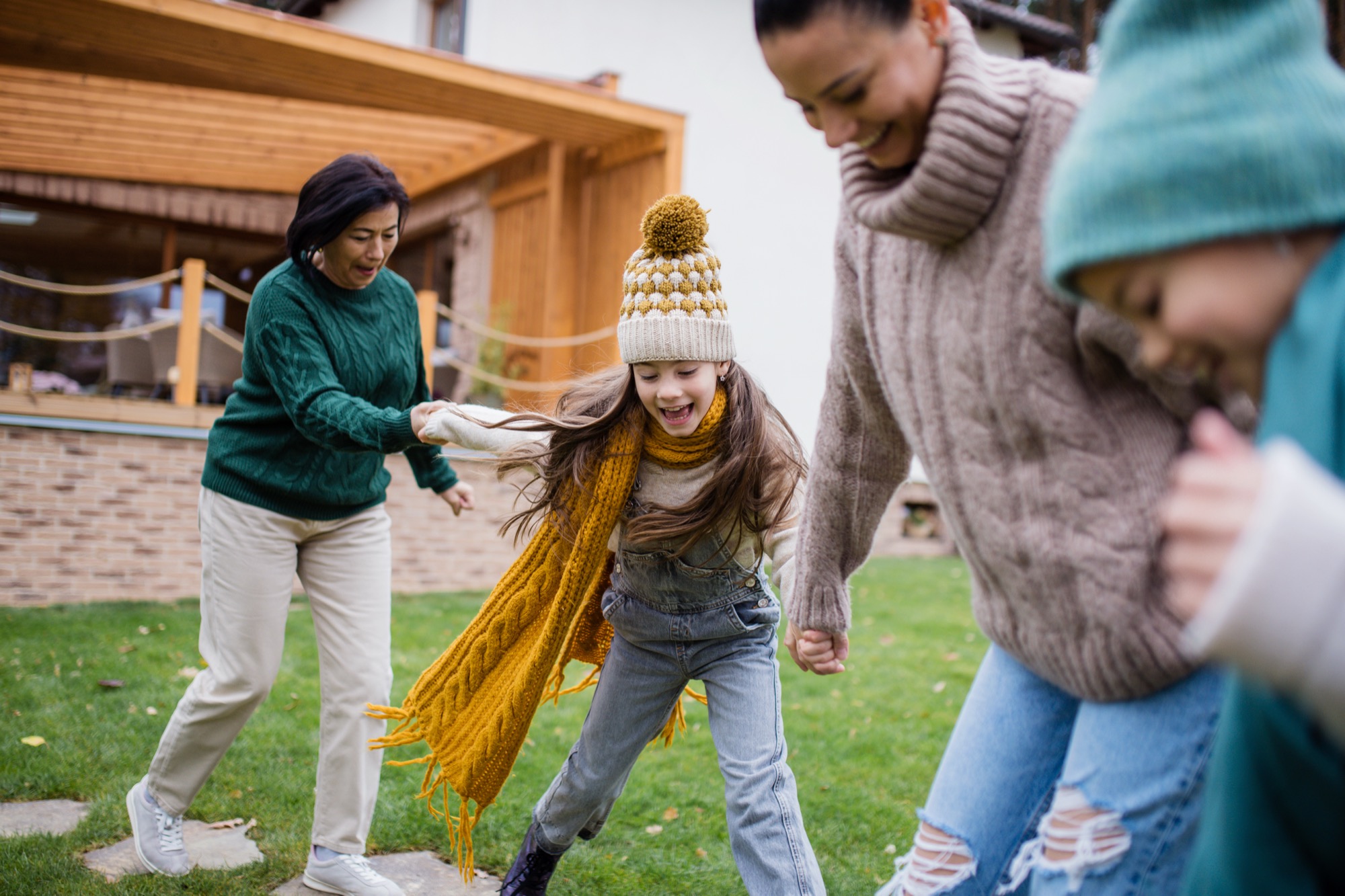
The People Presents superpower doesn’t change in its core mechanism as your child grows, but the form it takes shifts substantially — and recognizing that shift keeps this superpower effective across every stage of childhood.
Young children (ages 2–6)
experience presence primarily through physical engagement and eye contact. Getting down to their physical level, following their lead in play without directing it, and giving full attention to whatever they’re currently excited about are the clearest ways to communicate presence at this age. Words matter far less than physical availability and undivided attention in the moment.
Elementary-age kids
begin experiencing presence through genuine curiosity about their inner world — their friendships, their interests, their opinions about things. Asking specific, genuinely curious questions (not just “how was school”) and truly listening to the answer, rather than half-listening while planning a response, communicates presence clearly at this age.
Tweens
often test whether presence is genuine by sharing something small and watching the reaction before sharing something bigger. A parent who responds to a minor disclosure with distracted or dismissive attention often finds the bigger disclosures stop coming. Presence at this age is frequently earned incrementally, through consistent, attentive responses to smaller moments first.
Teenagers
frequently experience presence best through availability without pressure — being genuinely available for connection without constantly initiating it or extracting conversation. A teenager who senses that a parent’s presence comes with an agenda (checking in, extracting information, delivering advice) often withdraws further, while one who experiences unconditional, patient availability often opens up on their own terms and timeline.
Across every age, the same underlying signal is being read: does this person’s attention feel complete and genuine, or partial and conditional? Children of every age are remarkably good at detecting the difference, even when they can’t articulate what they’re noticing.
Watch age-specific presence strategies modeled at watchitknowit.com.



0 Comments