
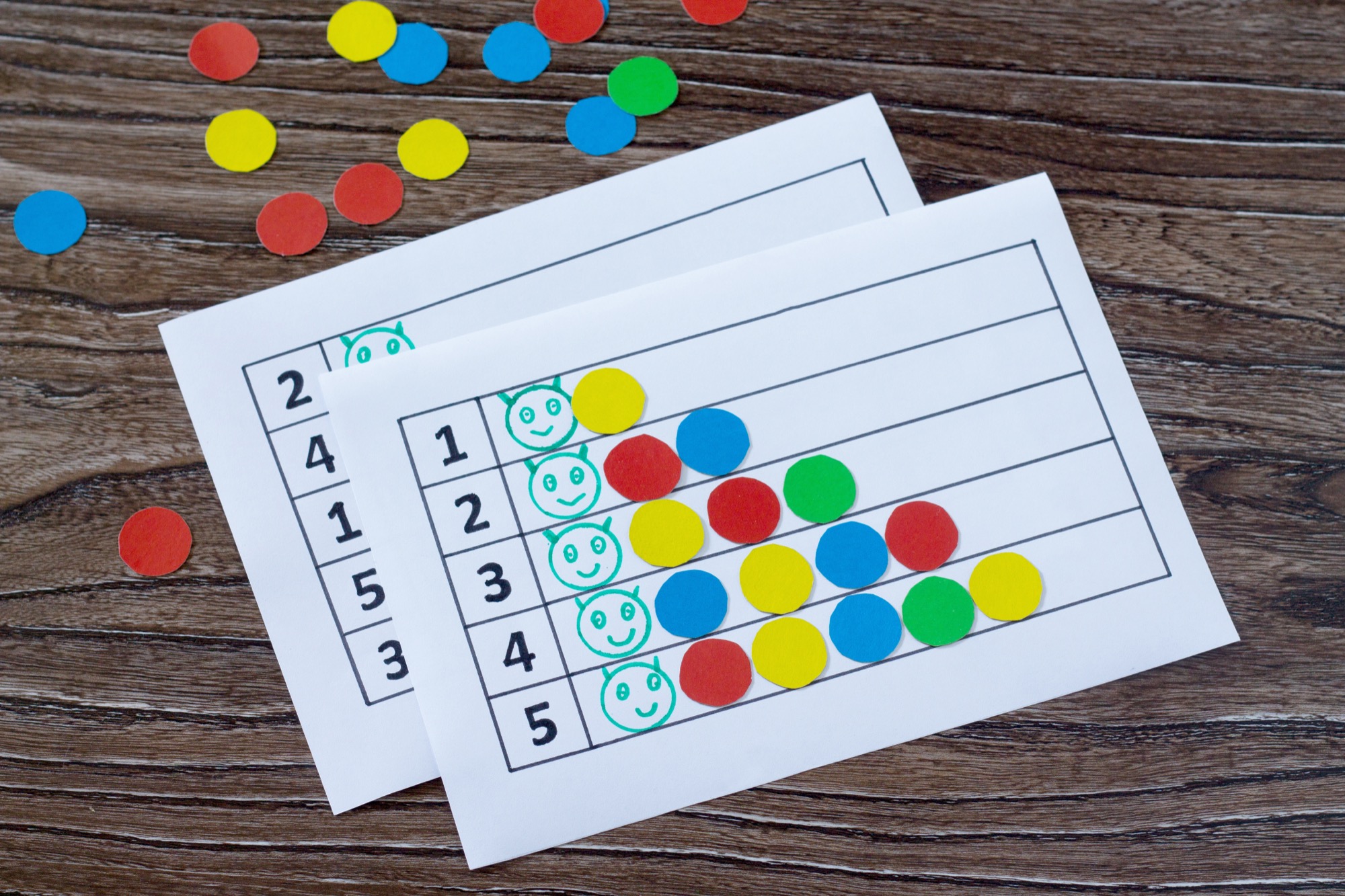
Sticker charts. Praise. Screen time as a reward. If you’ve tried all the standard motivators and your child simply doesn’t respond, it’s tempting to conclude that nothing works for this kid. That conclusion is almost always wrong — and it’s also the most common mistake parents make with this superpower.
The mistake is treating motivation as universal, as though every child should respond to the same rewards in the same way. They don’t. Just like a fisherman needs to know exactly what a particular fish is drawn to, parents need to identify what genuinely motivates their specific child — and that can look completely different from what worked for a sibling, a friend’s kid, or the parenting book on your nightstand.
For some children, the most powerful “bait” is sensory: deep pressure, movement, a favorite texture, a specific kind of physical activity. For others, it’s social connection — dedicated one-on-one time doing something they love, more than any object or privilege. For others still, it’s mastery: the satisfying feeling of getting something right, practiced and repeated until it clicks.
A sticker chart fails, more often than not, not because the child is unmotivated, but because the reward on the chart isn’t actually the bait that child responds to. Praise fails for the same reason if it’s generic rather than specific to something the child cares about.
Here’s how to actually find it: observe when your child is most genuinely engaged and joyful — not compliant, but lit up. What are they doing? Who’s with them? What’s the setting? Offer choices repeatedly and notice the pattern in what gets picked, every time, without prompting. That consistent pattern is the bait.
One more piece parents often miss: the right bait changes as children grow. What motivated your child at five may do nothing at twelve. Staying curious and re-observing periodically — rather than assuming last year’s motivator still applies — keeps this superpower working over time instead of quietly going stale.
This week’s shift:
Instead of assuming your child “isn’t motivated by anything,” spend a few days simply observing what genuinely lights them up, with no agenda attached.
Watch real examples of finding a child’s true motivators at watchitknowit.com.



0 Comments