
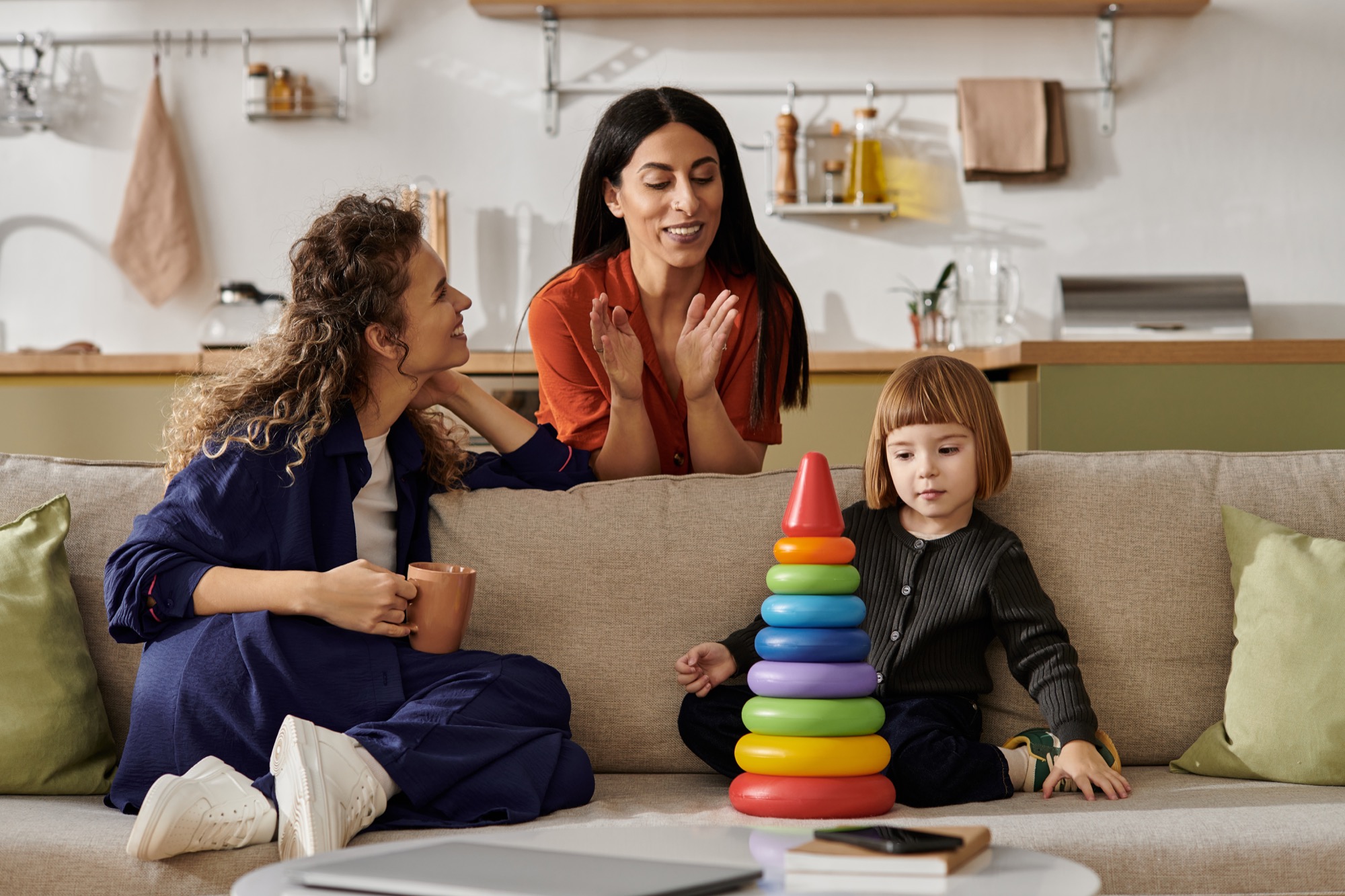
Think your child isn’t paying attention when you’re stressed, frustrated, or handling a hard moment badly? They’re paying more attention than you realize — and it’s all going into what Dr. Maria Gilmour calls Total Recall.
Maria Montessori called it the “absorbent mind.” Children’s brains are constantly wiring themselves based on everything happening around them — not just what they’re directly taught, but your tone of voice, how you handle stress, how you talk about other people when you think no one’s listening, and how you respond when something goes wrong. All of it becomes part of their internal model of how the world works.
This is the fourth of the Seven Superpowers, and it’s less a technique than a lens: everything you do is teaching, whether you intend it to or not. A child who watches a parent take a breath and calmly problem-solve after a mistake absorbs a completely different lesson than a child who watches a parent spiral into panic or blame over the same mistake. Neither parent said a single word of instruction. Both taught something enormous.
This isn’t meant to induce guilt — it’s meant to hand you leverage. If your child is recording everything, you get to be intentional about what’s on the recording. Want your child to handle disappointment without falling apart? Let them watch you handle disappointment without falling apart. Want them to try again after failing at something? Let them see you try again after you fail, out loud, without pretending it didn’t sting.
Here’s a useful mental image: whenever there’s a big emotion in the room — yours or your child’s — imagine a small red recording light switching on. That’s your cue. Not to suppress the emotion, but to pause before reacting, because whatever happens next is going into the permanent record.
This superpower is especially visible in moments of conflict. A parent who yells “Calm down!” while genuinely dysregulated themselves is teaching a lesson that has nothing to do with the words being said. The tone is the lesson. The volume is the lesson. The child’s nervous system responds to what it observes, not to what it’s told.
Try this today:
Notice one moment of frustration this week — traffic, a spilled drink, a frustrating phone call — and narrate your own calm response out loud, in front of your child: “This is annoying. I’m going to take a breath and figure it out.” That single sentence is doing more teaching than most lectures ever will.
See intentional modeling in action at watchitknowit.com.



0 Comments