
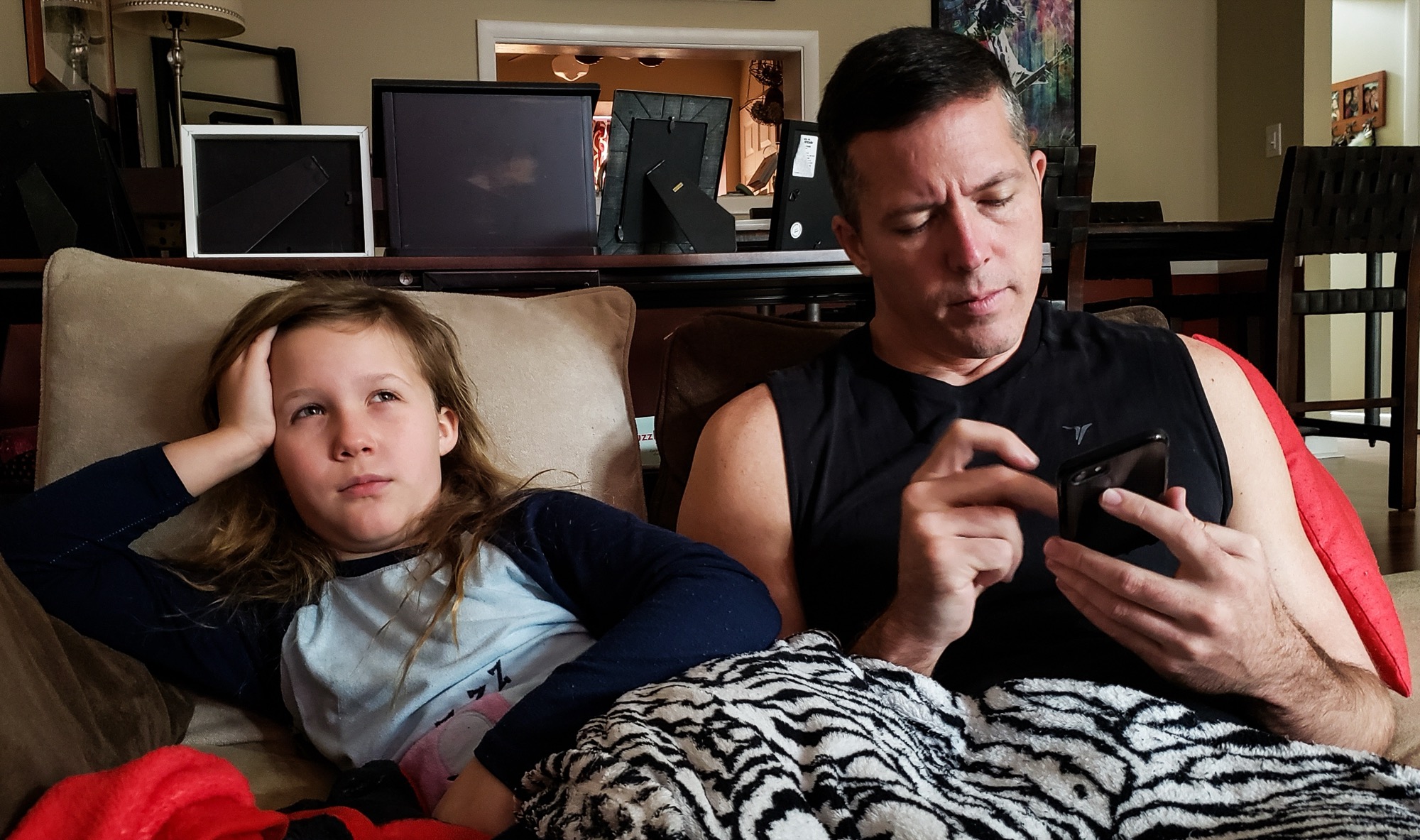
Most parents spend enormous amounts of time physically near their children — driving them places, sitting through activities, being home in the evenings. And yet many still sense a gap between time spent together and genuine connection. That gap is exactly what the People Presents superpower addresses.
The mistake is treating proximity as equivalent to presence. Sitting in the same room while scrolling a phone, half-listening while mentally reviewing a to-do list, or physically attending an activity while distracted by work stress are all forms of being in the room without being genuinely present in it. Children, even young ones, tend to sense this difference clearly, even if they can’t articulate it — a distracted parent’s attention has a quality that registers as different from full engagement, regardless of physical proximity.
This isn’t a call for constant, exhausting hyper-engagement at all hours. It’s a distinction between quantity and quality of attention. A single ten-minute stretch of fully undivided presence often does more for a child’s sense of connection than an entire distracted evening spent nearby but elsewhere mentally.
The most common culprit, unsurprisingly, is the phone — not because phones are inherently harmful, but because they create an easy, low-effort way to be physically present while mentally elsewhere, dozens of times a day, in increments small enough to feel individually harmless. The cumulative effect, though, is a child who experiences a parent as chronically half-available.
The fix isn’t eliminating all distraction forever — that’s not realistic or necessary. It’s identifying specific, protected windows where presence is genuinely complete: a meal, a bedtime conversation, a car ride, a chosen activity. During these windows, the phone goes away entirely, the mental to-do list gets set aside, and the only job is being fully with your child.
Children tend to notice these protected windows even without being told they’re happening, and the quality of connection built during them tends to outlast far more time spent in a state of partial attention.
This week’s shift:
Choose one daily window — even just ten minutes — where your phone is genuinely out of reach and your full attention belongs to your child, no exceptions.
Watch full-presence moments modeled with real families at watchitknowit.com.



0 Comments